
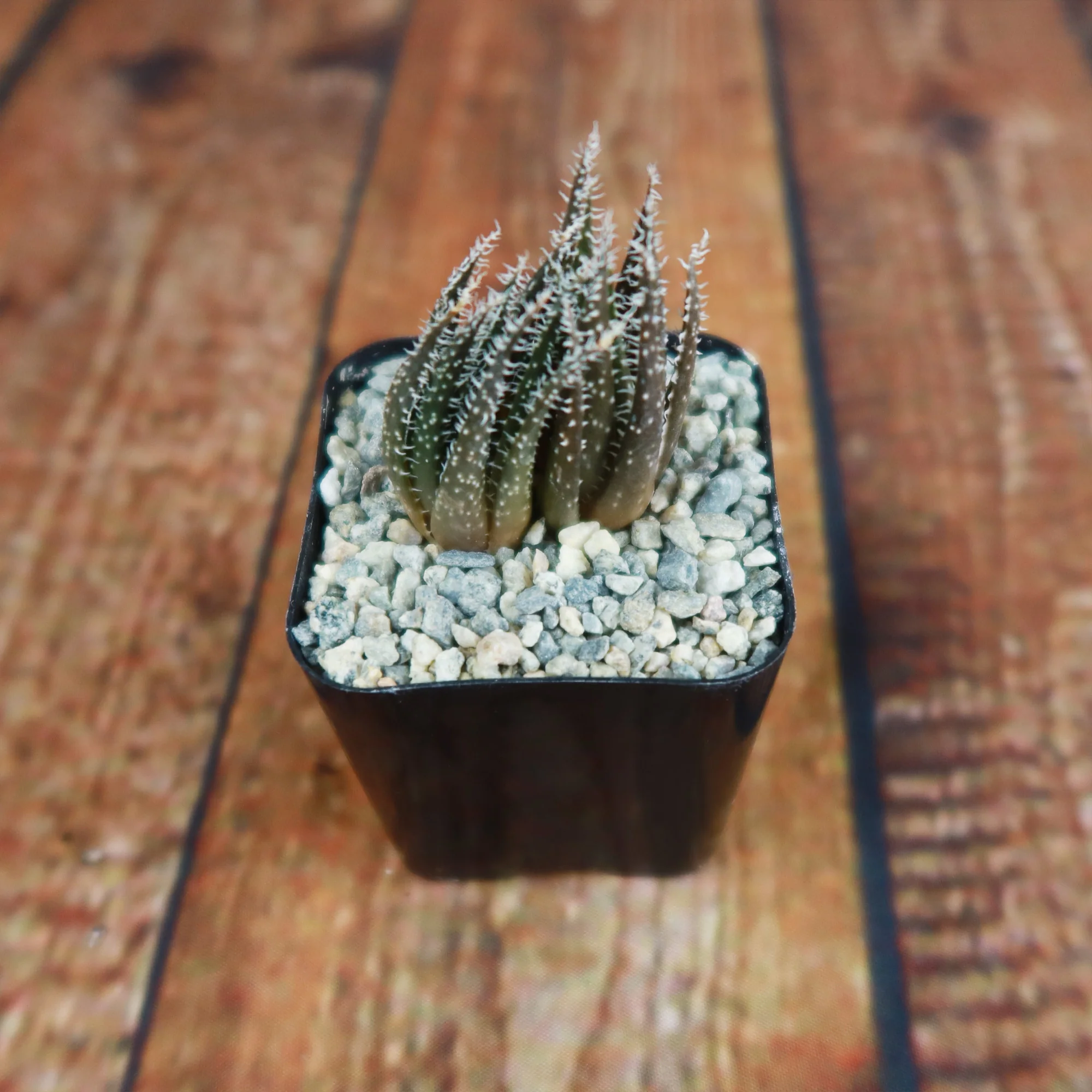
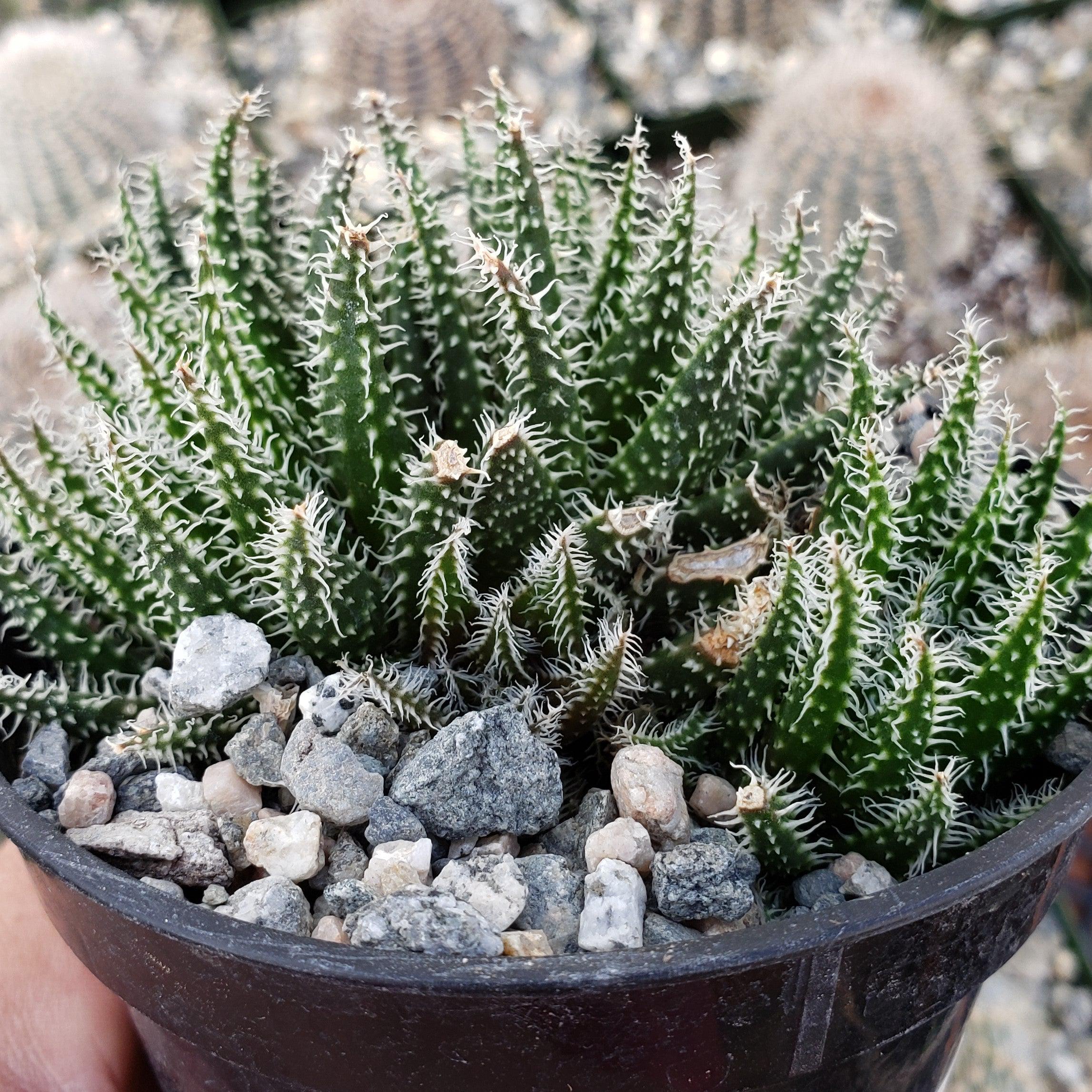
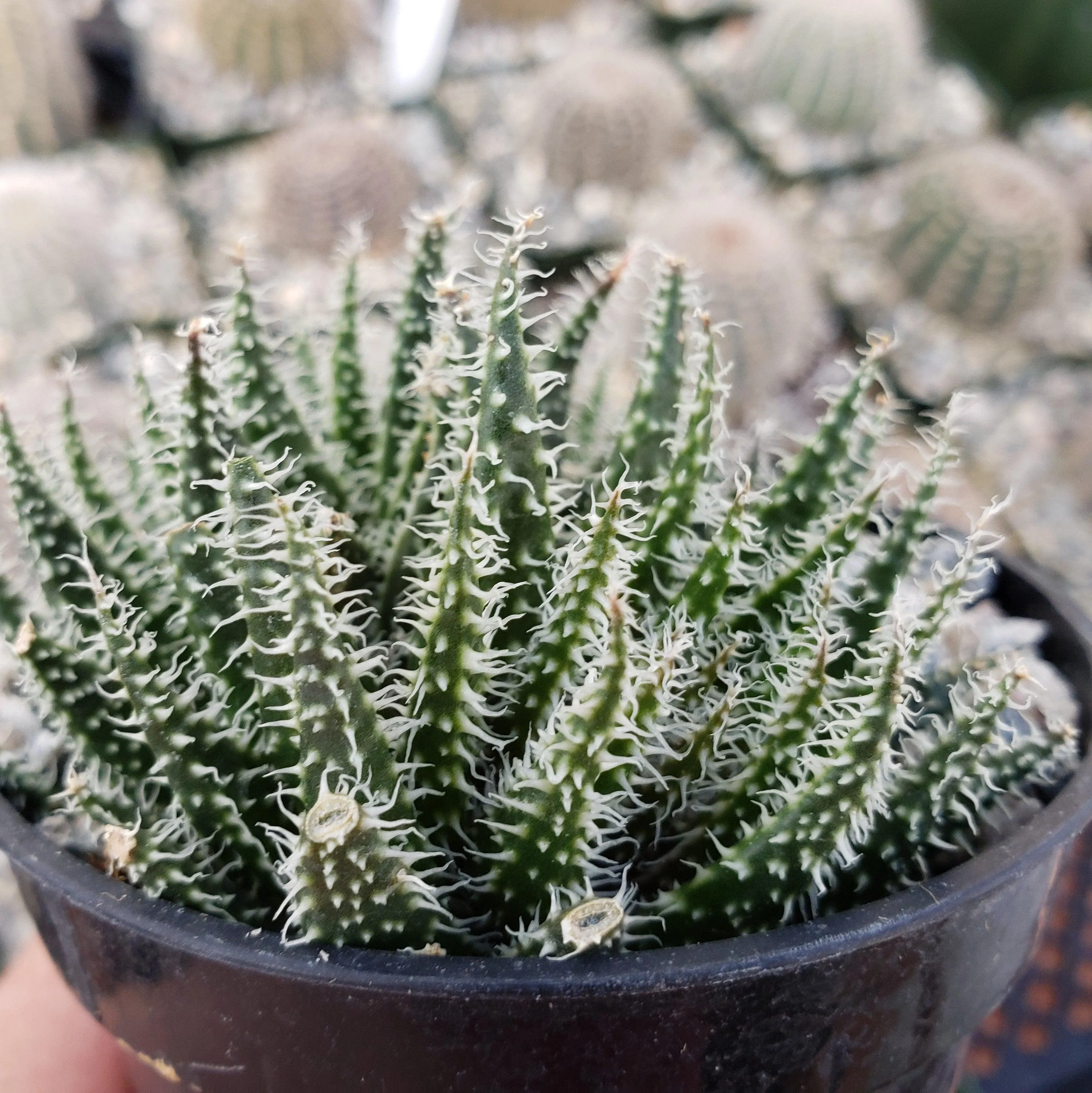

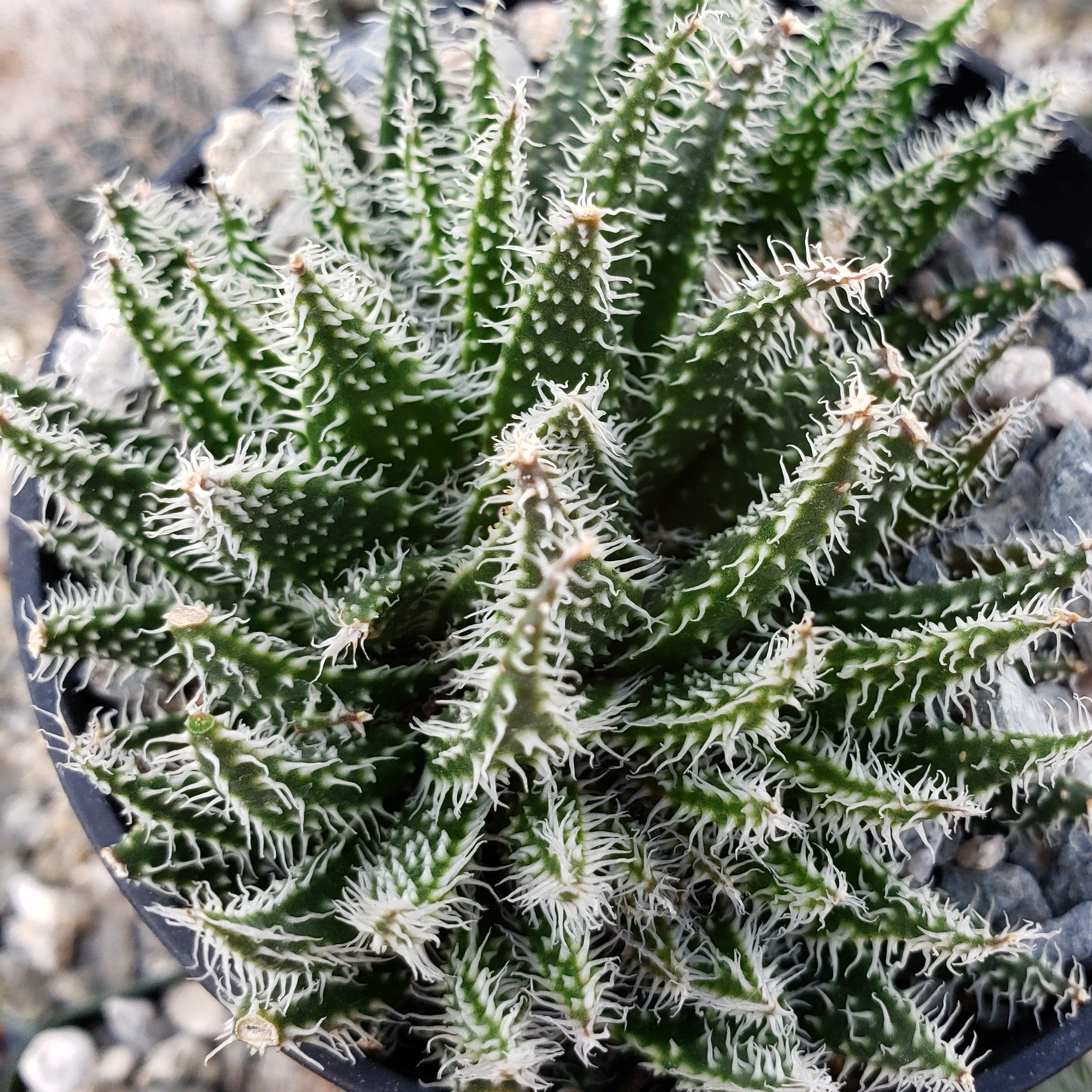
Aloe haworthioides
-
Detail
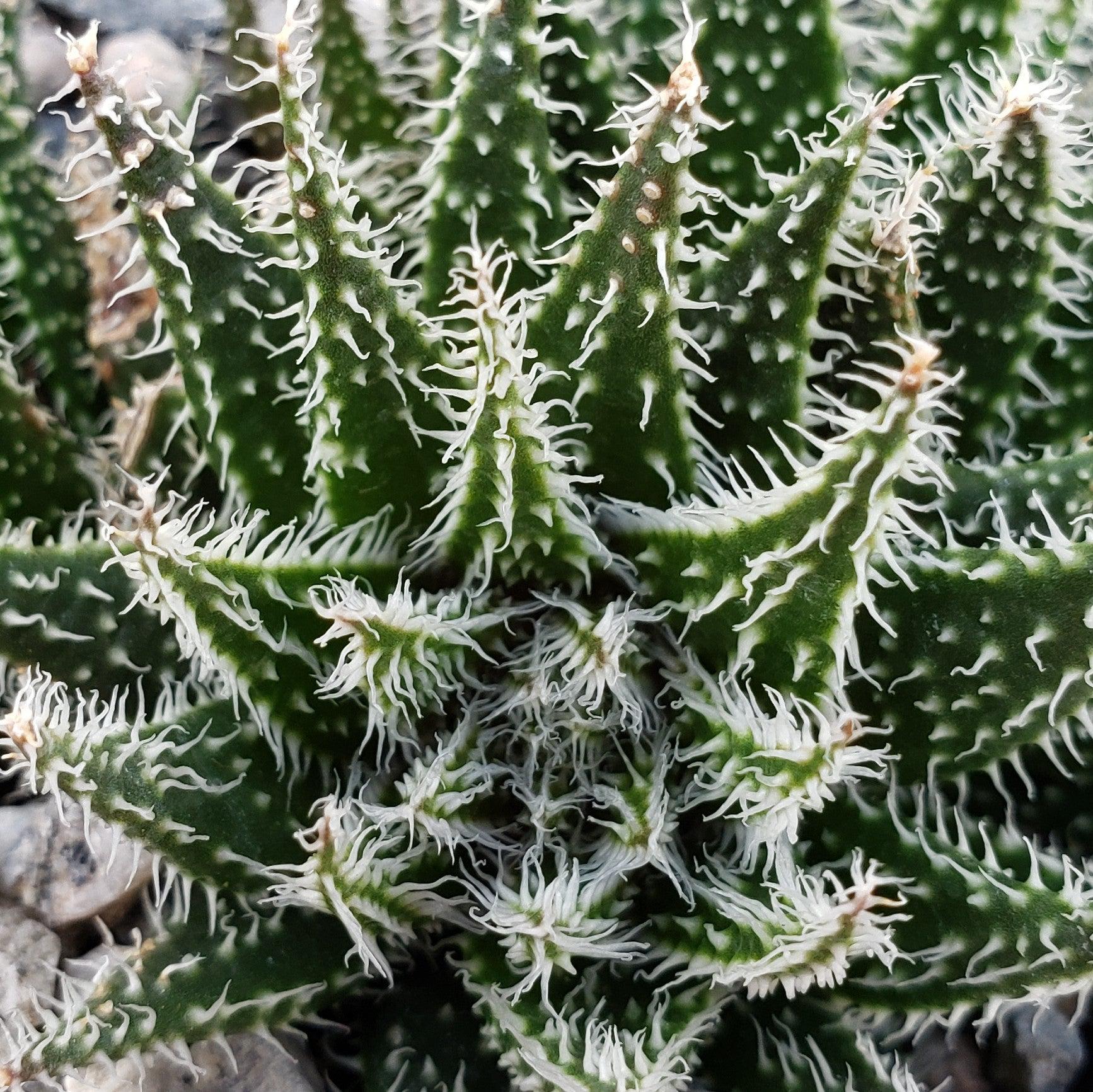
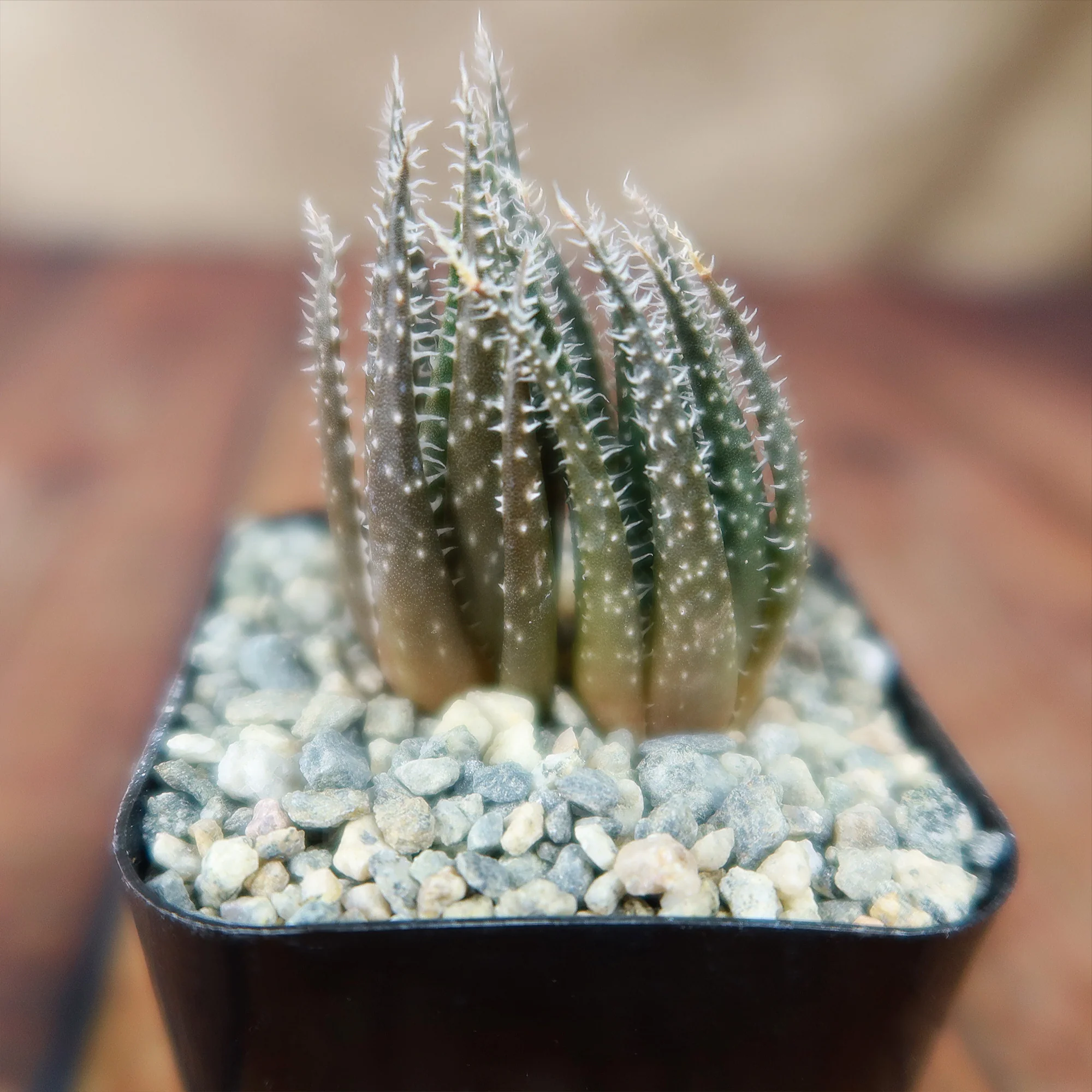
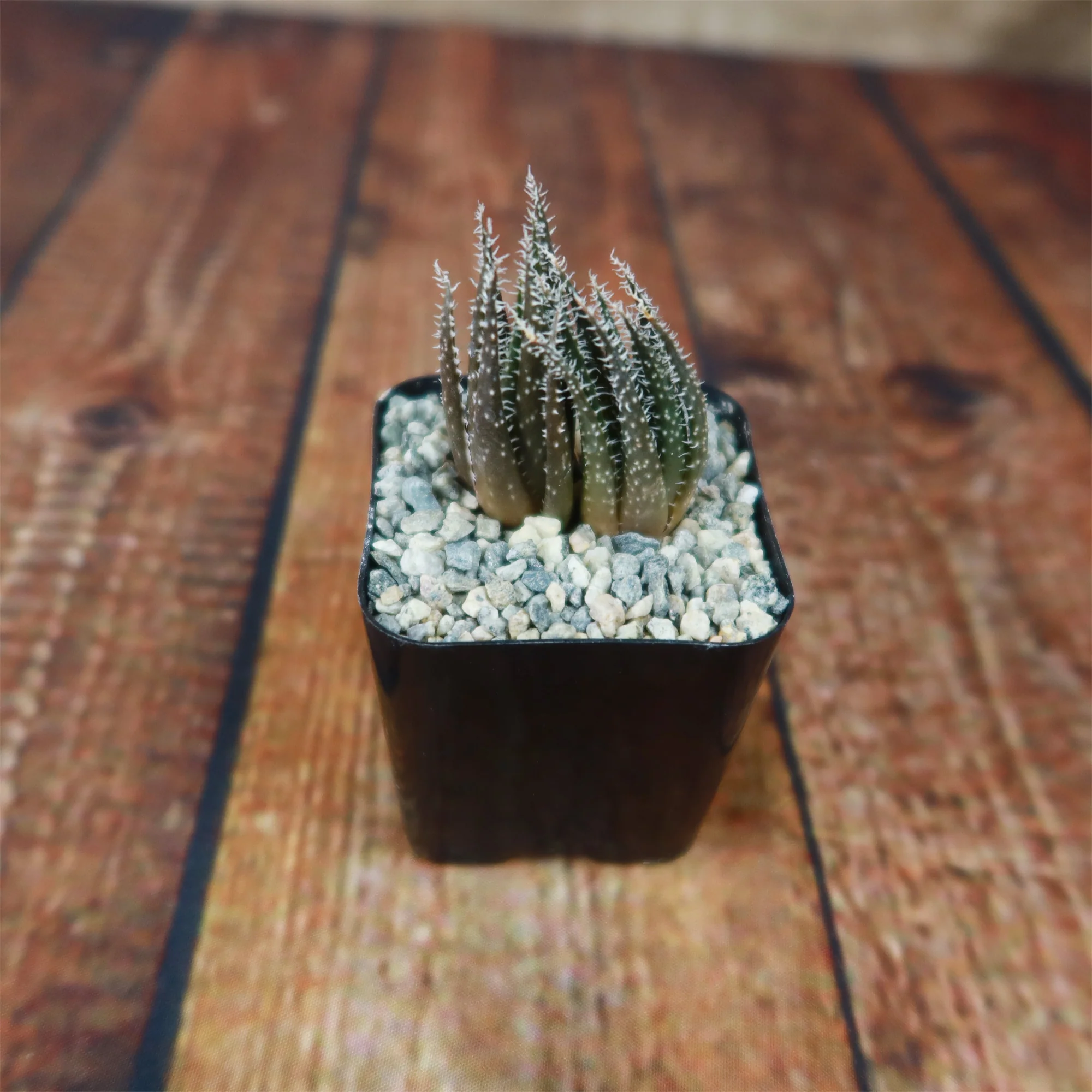
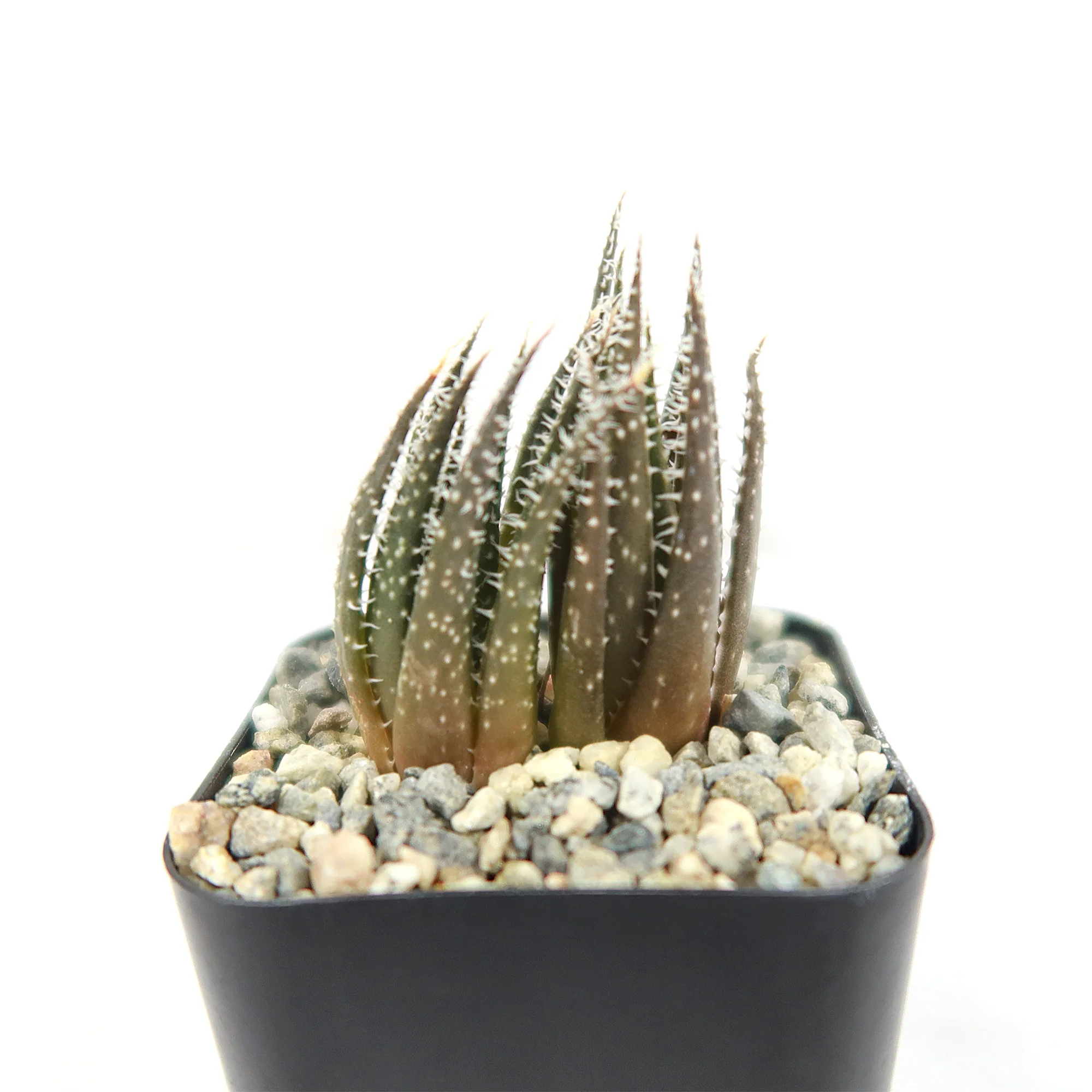
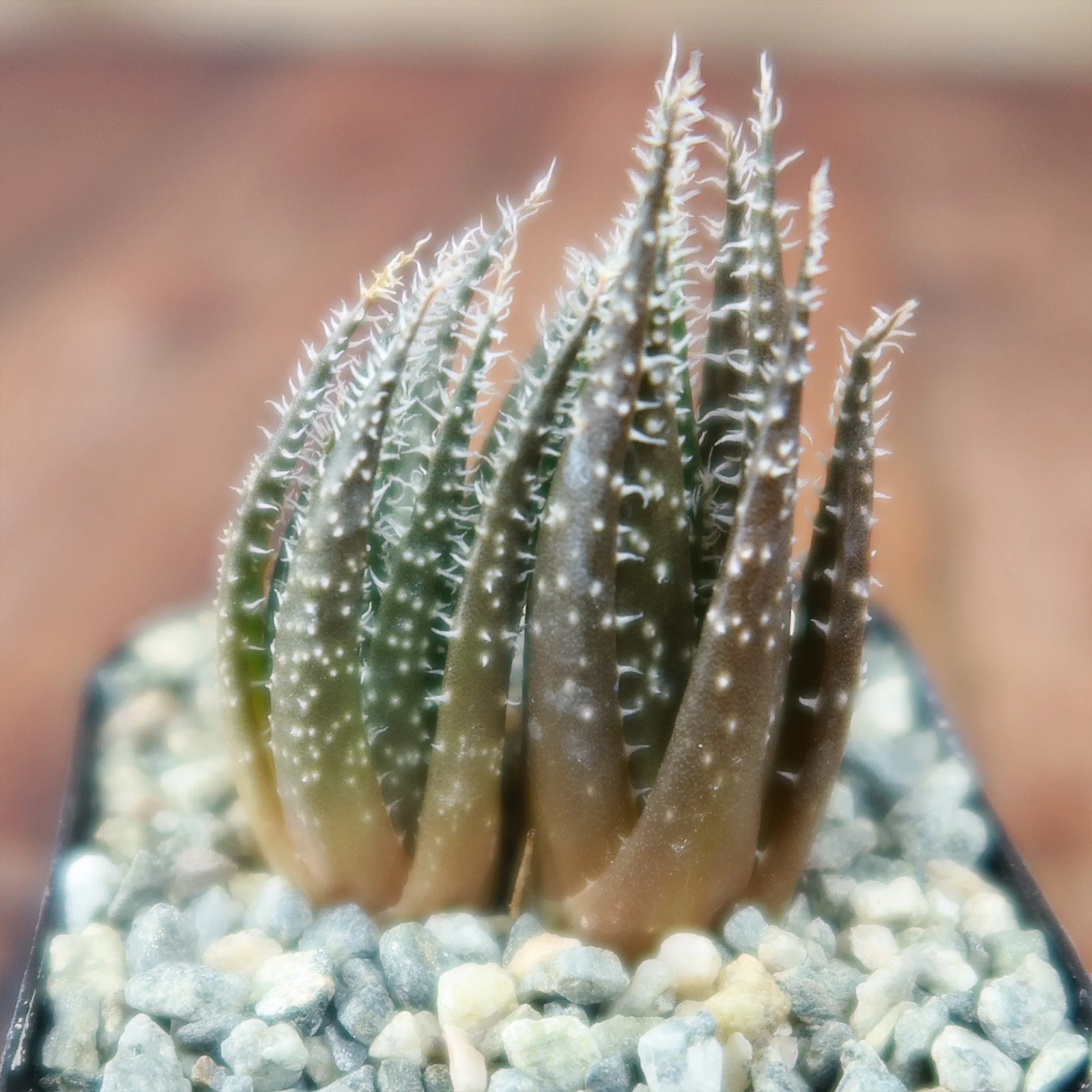
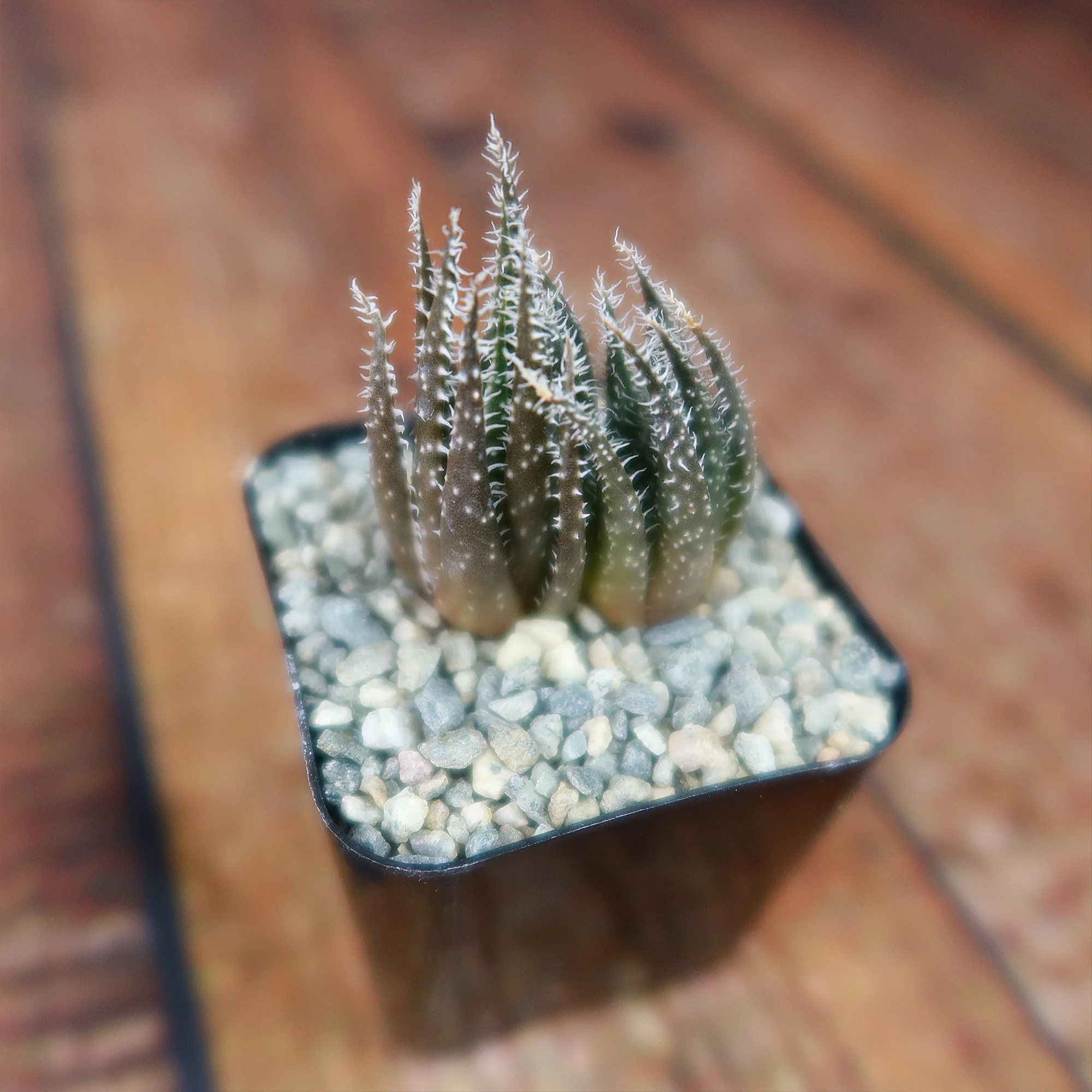
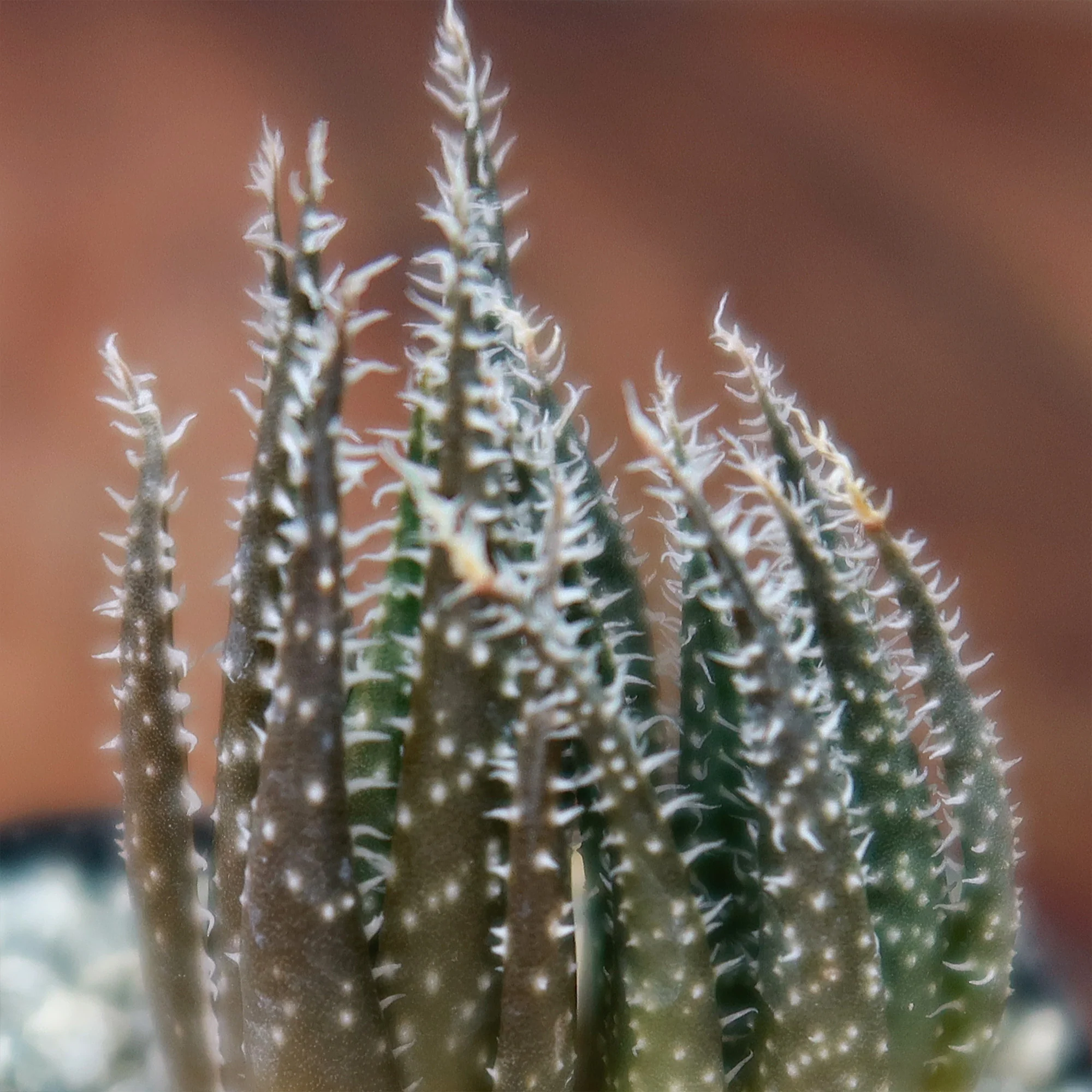
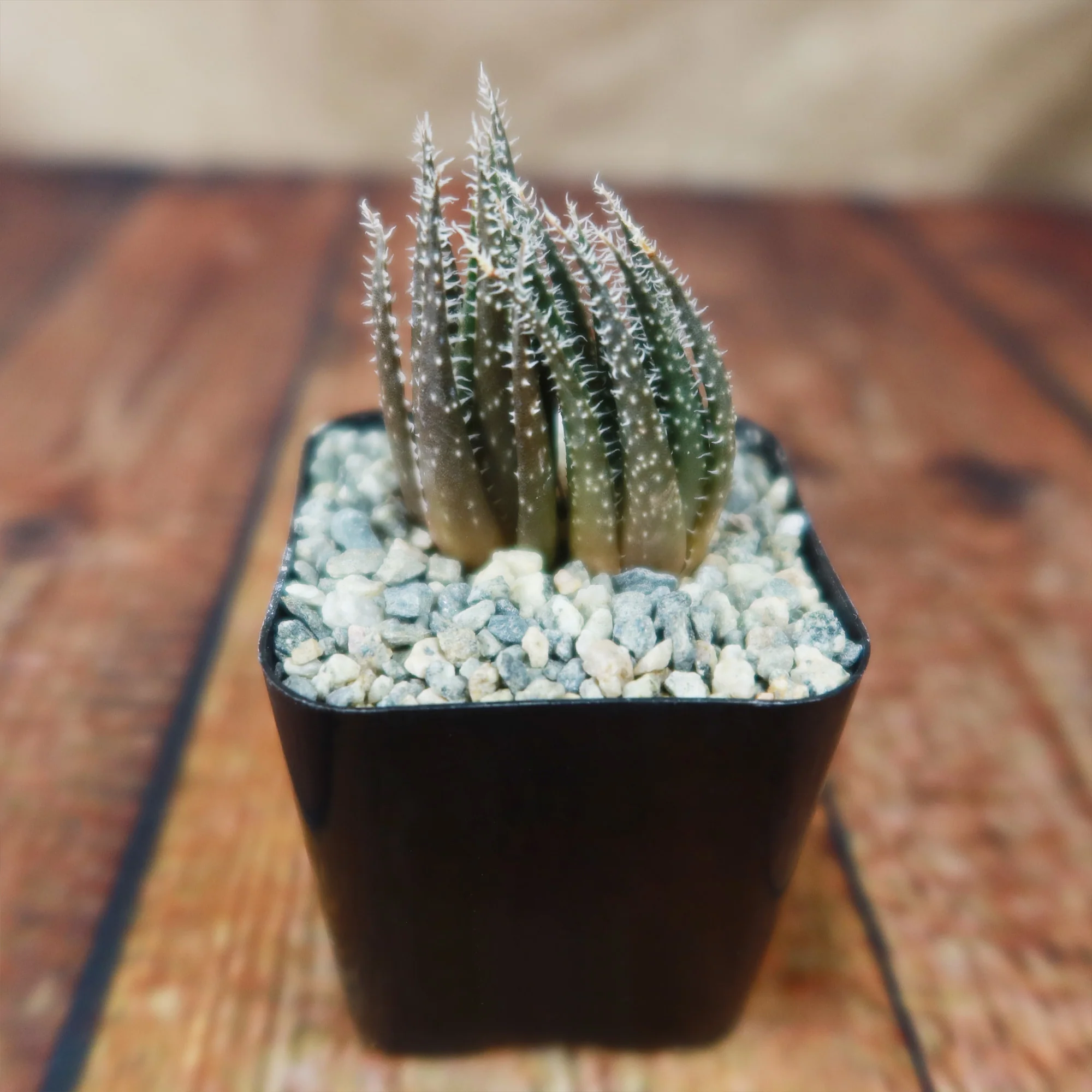
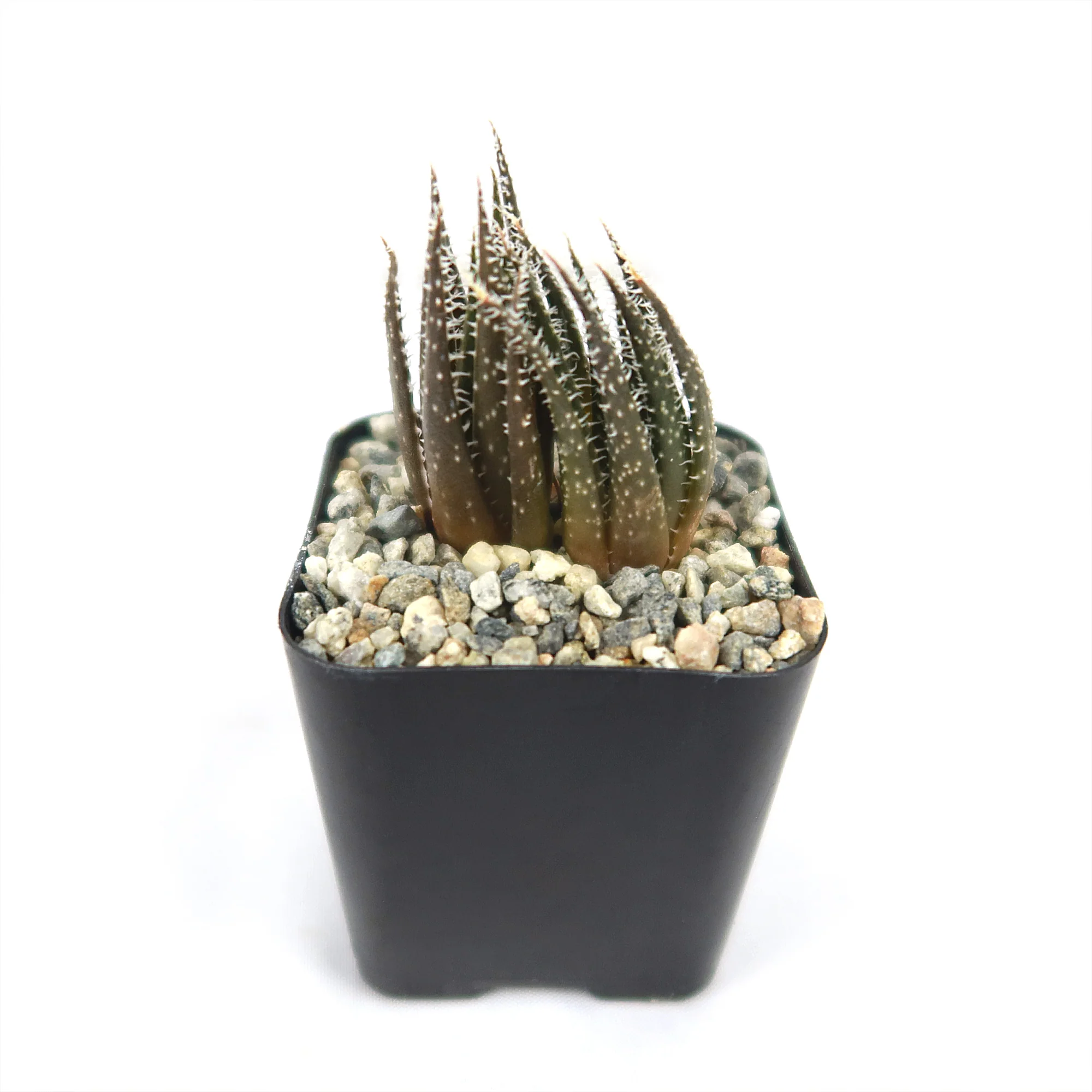
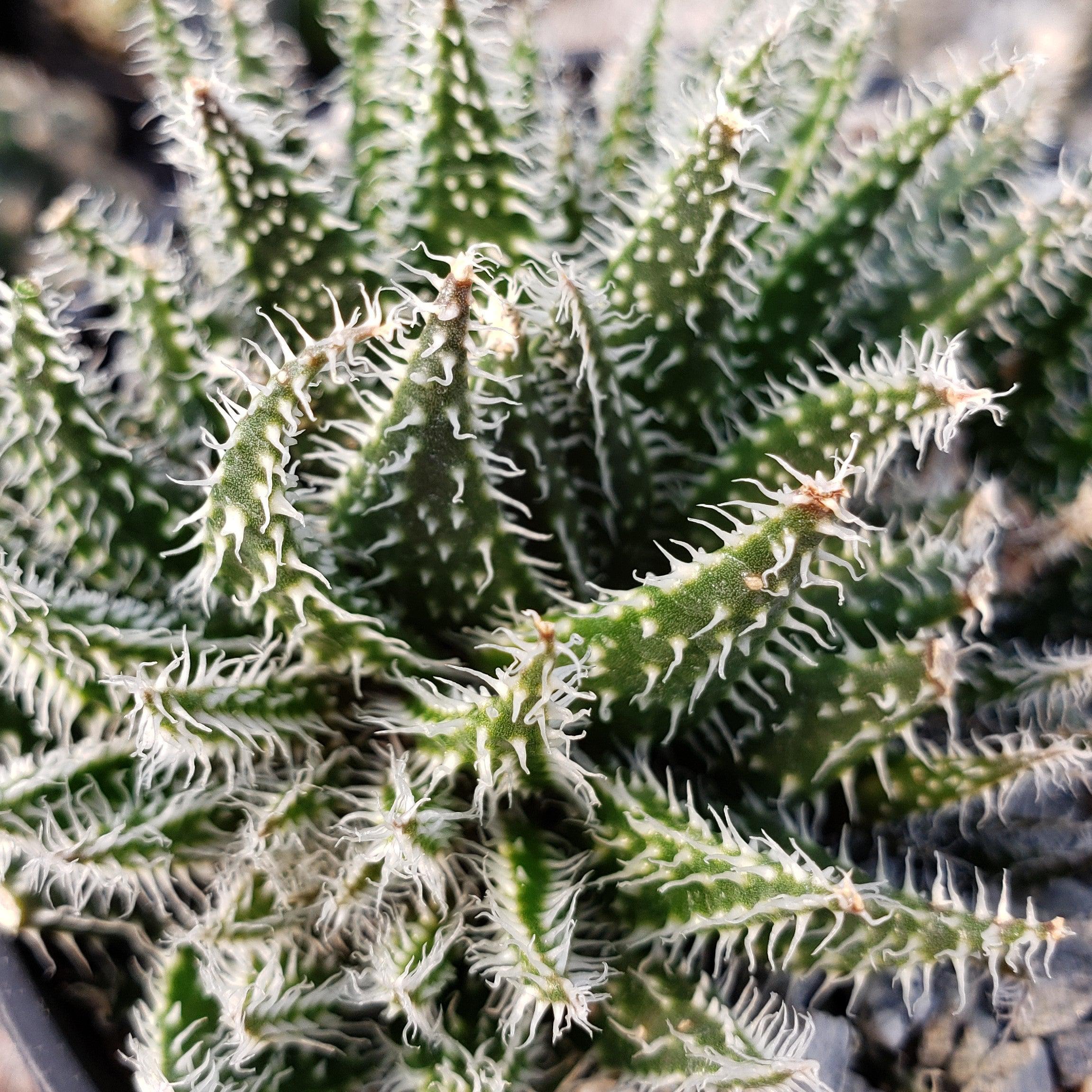
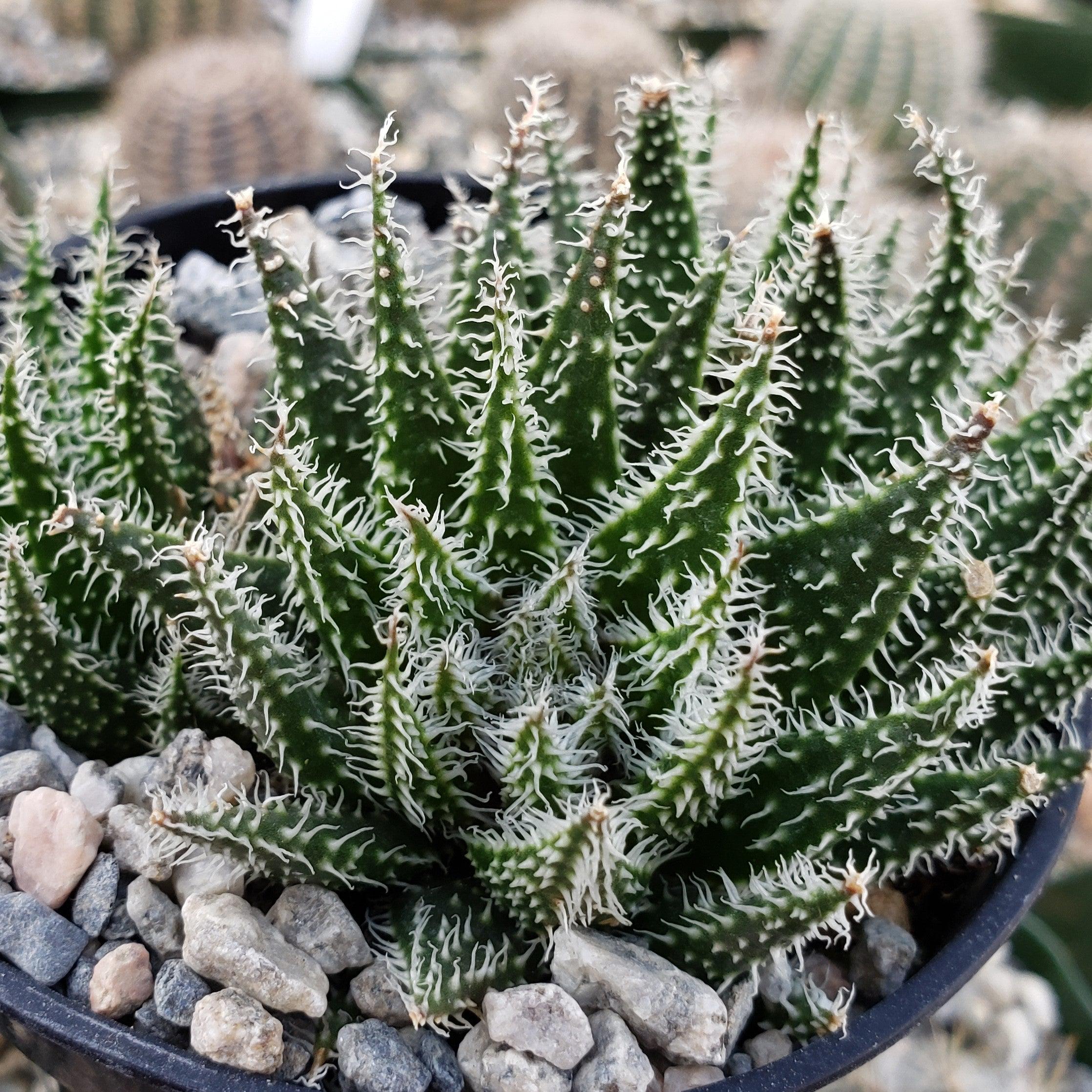
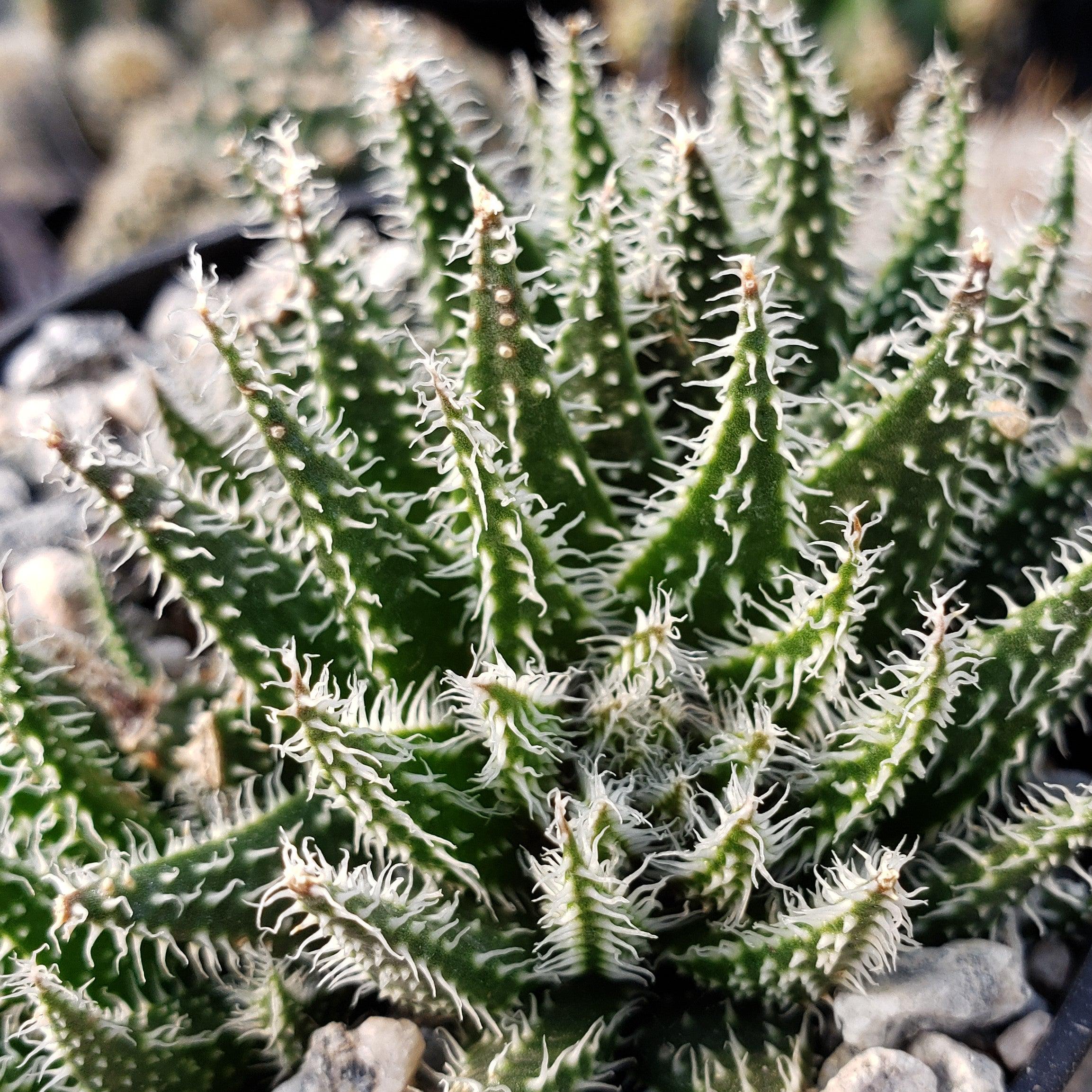
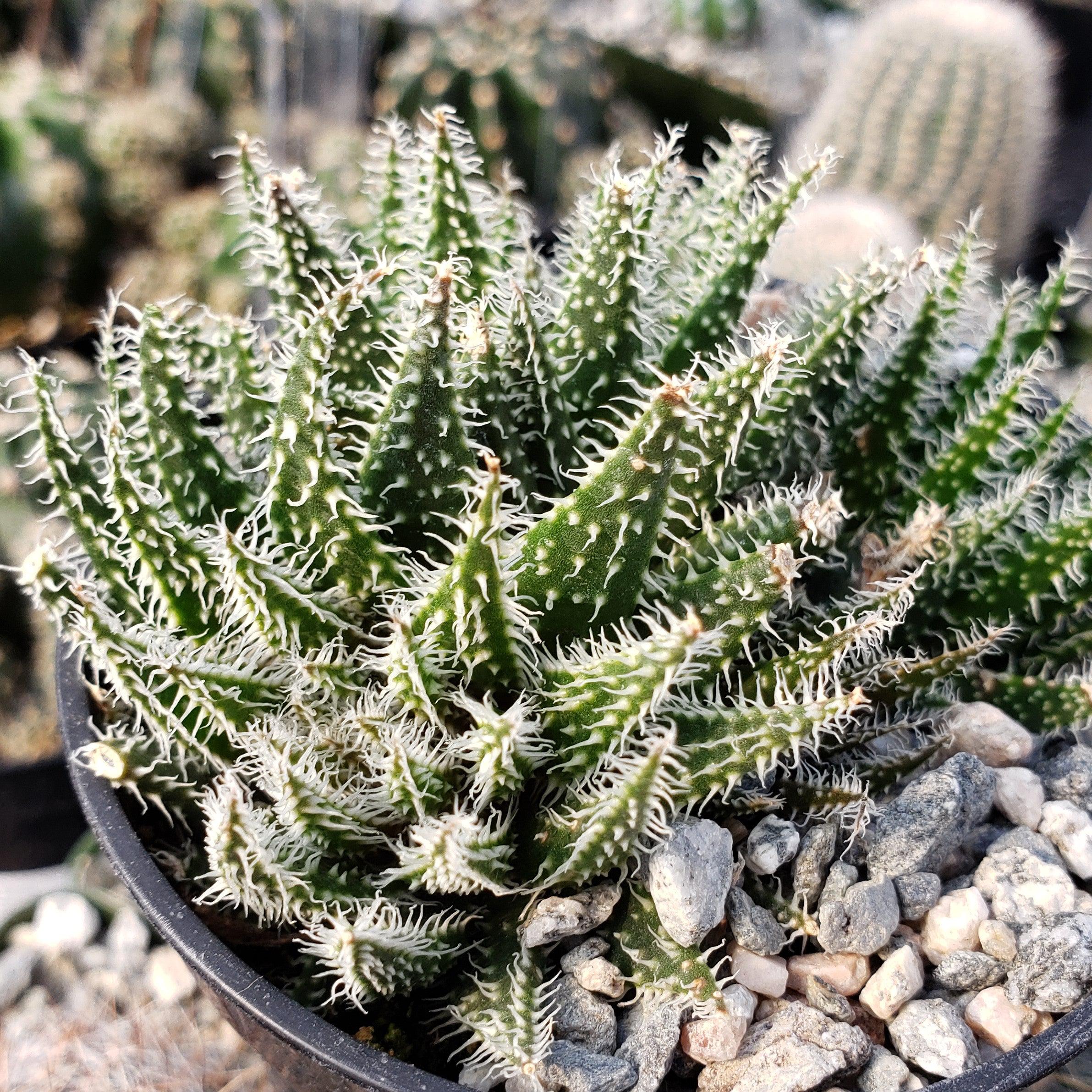
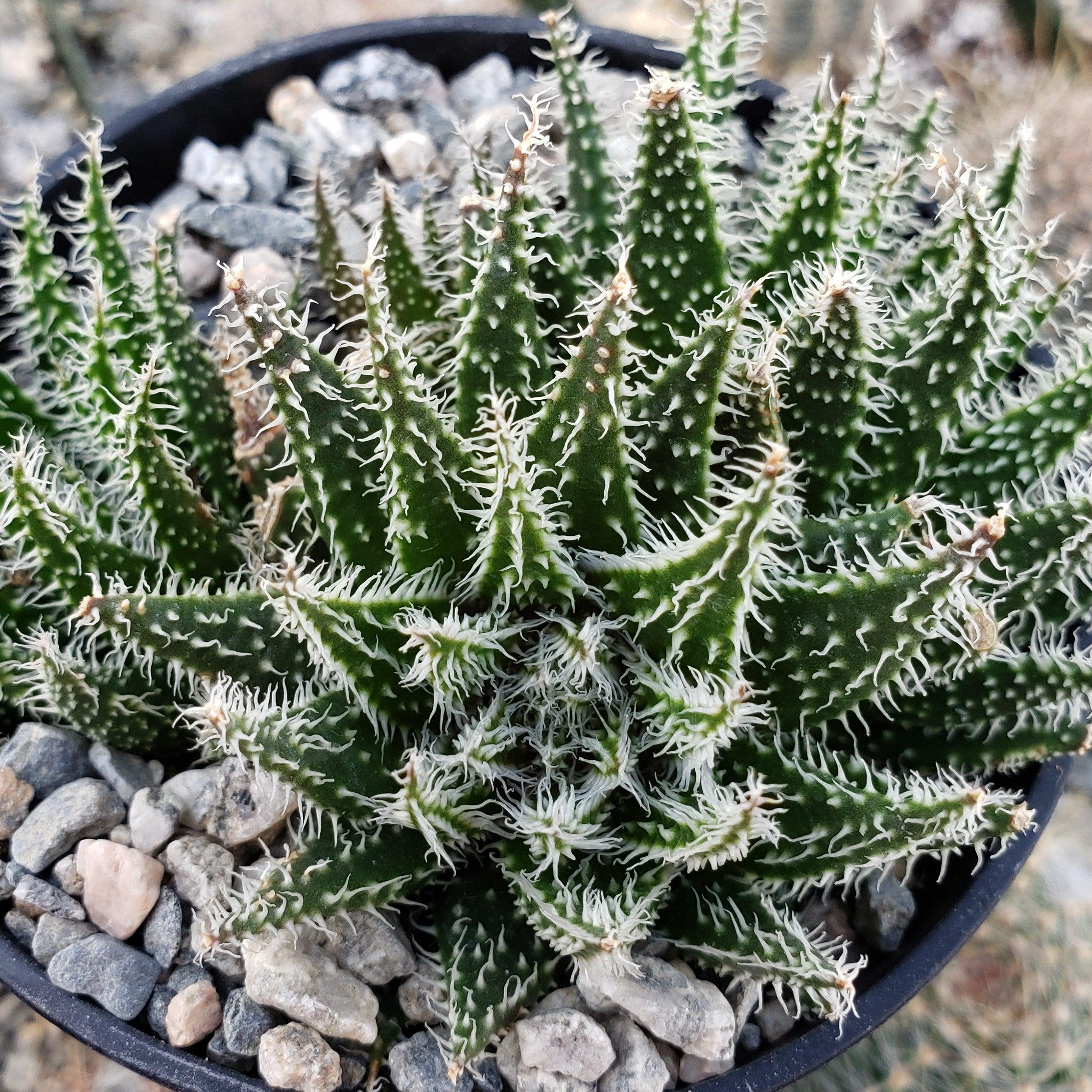
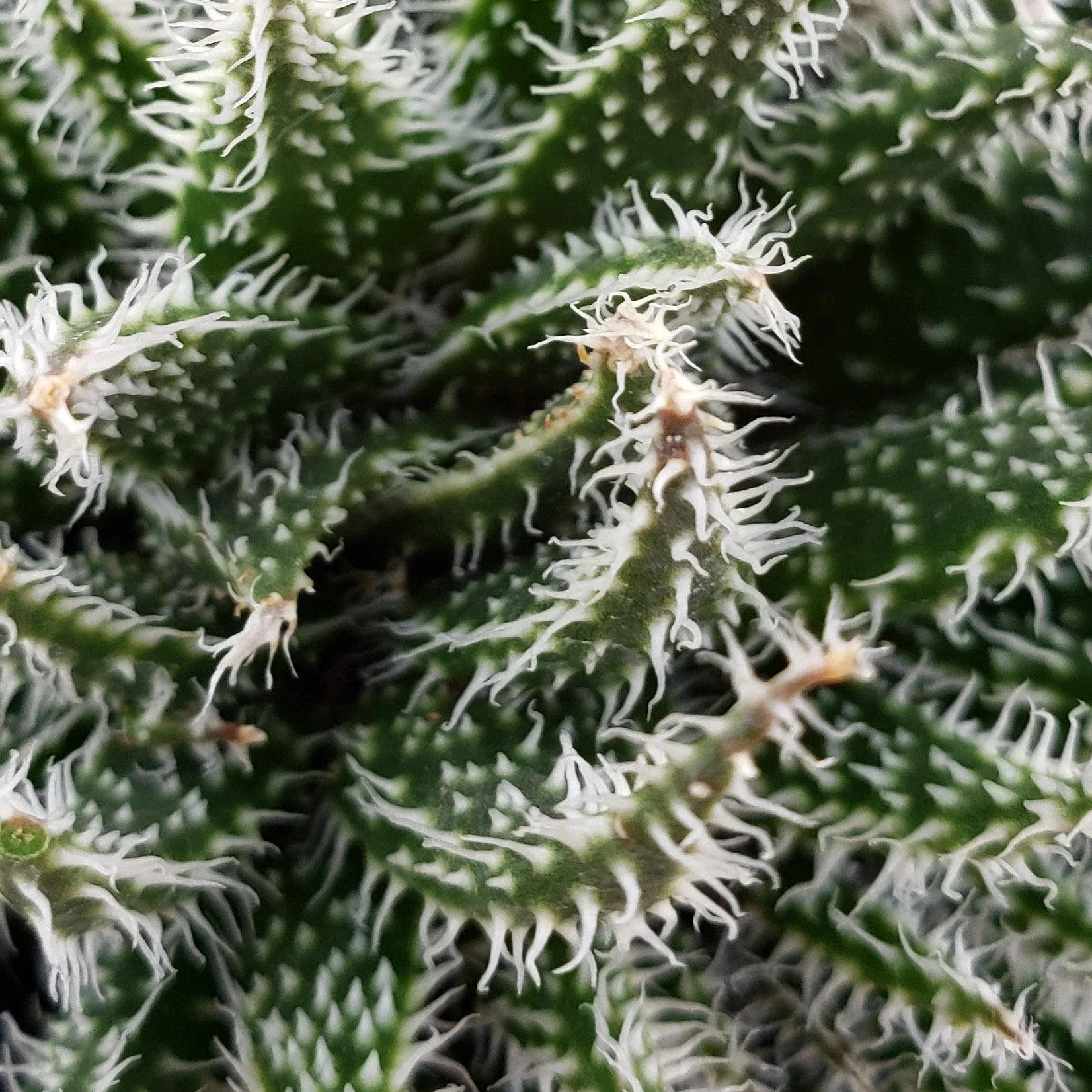
Succulent Aloe haworthioides is a member of the Asphodelaceae family. It is a small perennial plant with evergreen leaves. The dark green lance-shaped leaves have pearly warts. It is a stemless succulent with rosettes. The haworthioides Aloe is a native of Madagascar and South Africa. Between summer and autumn, the plant bears tubular pink-orange-colored flowers. The other common names of the plant are zebra cactus, pearl plant, and star window plant. Aloe vs haworthia is slightly frost-hardy and winter-dormant. It is a fast-growing plant, growing up to 4 inches in height, which loves direct sunlight for wholesome growth.
Growth Rate
Succulent Aloe haworthioides is a fast-growing plant.
Flowering
Between summer and autumn, Aloe haworthioides bears tubular pink-orange-colored flowers.
Watering
An important part of Zebra cactus care is that it should never be overwatered. Its roots should never stand in water. You can fertilize the plant during summer but never during winter.
Soil
Use a fast-draining potting mix for the plant as part of zebra cactus care.
Hardiness
The hardiness zone of this evergreen succulent is 9b - 11. It is slightly frost-hardy.
Light
The zebra cactus plant grows best when exposed to direct sunlight.
Propagation
Use offsets from the mother plant for propagating the Aloe Haworthia hybrid.
As mentioned above, Aloe Haworthia care involves looking out for signs of over-watering. Puffiness in stems and leaves is a sign that the plant will be killed because its roots are rotting.
Some of the information in this description has been found at desert-tropicals.com, llifle.com and cactus-art.biz
-
Customer ReviewsNo comments
You May Also Like

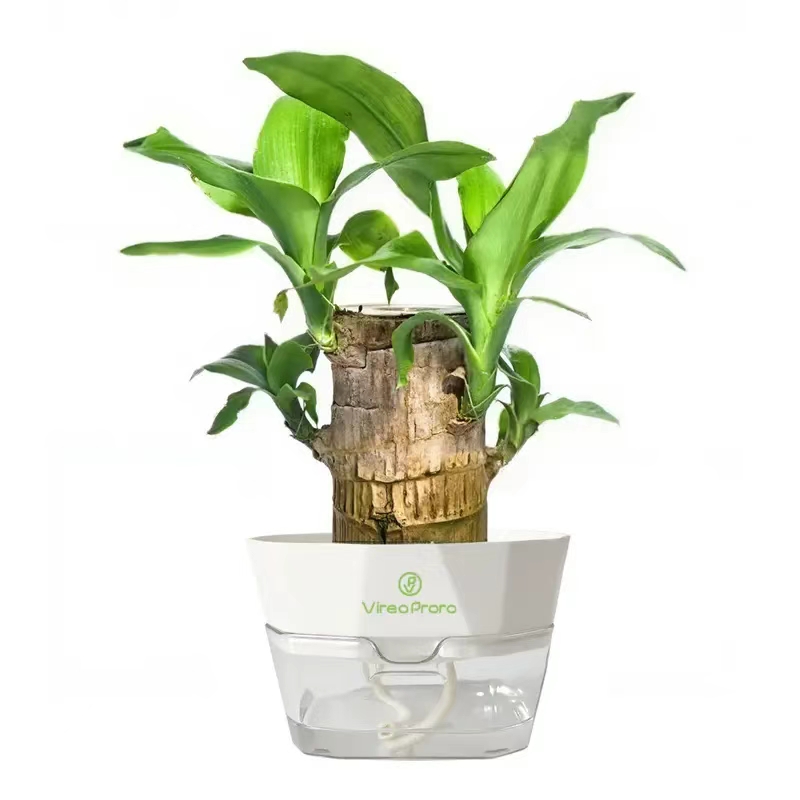
"Lucky Wood" – Brazilian Money Tree for Home Décor | Symbol of Good Fortune | Easy Indoor Care Plant